By Brainy Stars International Holistic Montessori & School
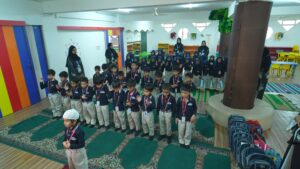
A child drops their snack, and a friend quietly shares half of theirs. Another child finds a lost pencil and hands it to the teacher. A little one whispers “thank you” to the person who served lunch, without being reminded.
Moments like these are small, but they show something big: character is already taking shape. The early years are when children first learn what is kind, what is fair, and what is true. And they learn it far less from lectures than from the people around them.
Why Character Education Starts Early
Young children are like sponges. They watch how adults speak, how we treat others, and how we handle mistakes. The habits and attitudes formed in these years tend to stay with children as they grow.
Academic skills matter, but so do the qualities that make a person trustworthy, caring, and responsible. A child who can read well but cannot share, apologize, or tell the truth has only half of what they need for a good life. That is why character and values sit alongside learning in a holistic education.
Core Values to Nurture in Young Children
Kindness
Kindness means noticing others and caring how they feel. Young children show it when they comfort a friend, share a toy, or help carry something heavy.
Honesty
Honesty means telling the truth, even when it is hard. Children need to feel safe enough to admit a mistake without fear of harsh punishment, because that is when truth-telling feels possible.
Gratitude
Gratitude is the habit of noticing what we have and thanking those who give it. It helps children feel content and appreciate the people around them.
Respect
Respect includes listening to others, speaking politely, waiting for a turn, and caring for shared spaces and belongings.
Patience
Patience means waiting calmly and working through frustration. It grows slowly, and children need many chances to practice it.
Responsibility
Responsibility starts with small tasks, like putting away toys or helping at mealtimes. Children learn that their actions matter and that they are part of a community.
Empathy
Empathy is understanding how someone else feels. It is the root of kindness, fairness, and forgiveness.
9 Ways to Teach Values at Home
1. Be the example
Children copy what they see far more than what they hear. When they watch you say thank you, apologize, and treat people respectfully, they learn that this is how people behave.
2. Use stories
Stories give children a safe way to think about right and wrong. After reading, ask questions like “How do you think he felt?” or “What would you have done?”
3. Name the value in the moment
When you see kindness or honesty, point it out. “You shared your crayons. That was kind.” Specific praise helps children understand exactly what they did well.
4. Make gratitude a daily habit
At dinner or bedtime, share one thing each person is thankful for. Encourage your child to say thank you to the people who help them each day.
5. Respond to mistakes calmly
When your child lies, hits, or breaks something, stay calm. Talk about what happened, how others were affected, and how to make it right. The goal is to teach, not shame.
6. Give them chances to help
Let your child help a neighbor, water plants, set the table, or tidy a shared space. Contributing makes children feel they belong and matter.
7. Talk about feelings
Help your child name emotions: happy, sad, angry, worried. Children who understand their own feelings find it easier to understand others.
8. Practice good manners
Greetings, please and thank you, waiting for a turn, and speaking gently are daily lessons in respect. Keep reminders kind and consistent.
9. Be patient
Values grow slowly. Your child will forget and make mistakes, and that is normal. Keep modeling, keep talking, and trust that the lessons are sinking in.
How Schools Support Character Development
A good preschool reinforces what families teach at home. In a Montessori classroom, grace and courtesy lessons teach children how to greet others, offer help, wait, and apologize. Mixed-age groups let older children look after younger ones. Shared responsibilities, like caring for the classroom, build respect and belonging.
When a school’s values align with a family’s own, children receive consistent messages at home and in the classroom. That consistency makes lessons much easier to absorb.
Common Mistakes to Avoid
- Saying one thing and doing another. Children notice quickly when our actions do not match our words.
- Shaming or harsh punishment. Fear teaches children to hide mistakes, not to learn from them.
- Expecting perfection. Young children are still learning self-control and perspective.
- Over-praising only achievements. Recognize kindness and effort as much as success.
- Waiting until children are older. The early years are the best time to build good habits.
Final Thoughts
Raising a kind, honest, and grateful child is one of the most meaningful things a parent can do. It does not need special programs. It happens in everyday moments: a shared snack, a quiet apology, a thank-you at the end of a meal. Each one is a lesson that stays.
At Brainy Stars, nurturing good character is part of our holistic approach to early learning. We believe that confident, curious children should also be caring and responsible. If you are looking for a Montessori preschool in Bangalore that values both learning and character, we would love to welcome you for a visit.