Most parents think of preschool as the place where kids learn their ABCs, colours, and shapes. That’s true, but it’s only half the story. Walk into any good preschool classroom and you’ll notice something else happening quietly in the background — children learning how to be people. How to share a crayon without a meltdown. How to wait their turn. How to say “I’m sad” instead of just crying it out.
These are life skills, and they matter just as much as academics — arguably more, since they shape how a child handles school, friendships, and challenges for years to come. At Brainy Stars, one of the best preschools in Koramangala, this is something we build into everyday activities rather than treating as a side lesson. Here are five life skills every child picks up during their preschool years, and why they matter so much.
1. Sharing and Taking Turns
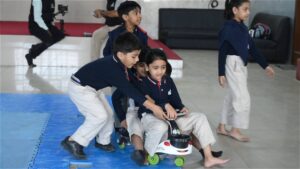
Every parent knows the “that’s MINE” phase. It’s completely normal — toddlers are wired to see the world through their own needs first. Preschool is often the first place a child is regularly around other kids their own age, all wanting the same swing, the same blue block, the same spot next to the teacher.
Through games, group activities, and gentle guidance, children slowly learn that sharing doesn’t mean losing something — it means everyone gets a turn. This single skill quietly sets the foundation for cooperation, patience, and friendship later in life.
2. Following Simple Instructions
“Put your shoes in the rack.” “Line up near the door.” “Wash your hands before snack time.” These might sound like small, everyday instructions, but for a three or four-year-old, following them builds focus, listening skills, and a sense of responsibility.
Preschools that structure the day around simple routines — snack time, circle time, clean-up time — help children understand that instructions aren’t just rules to follow; they’re patterns that make the day feel safe and predictable. This is one of the reasons parents specifically look for a best preschool experience rather than just daycare — the structure itself is a life skill in disguise.
3. Expressing Emotions in Words
A frustrated two-year-old throws a toy. A frustrated five-year-old (ideally) says, “I’m upset because he took my toy.” That shift doesn’t happen on its own — it’s taught, modelled, and practiced, usually starting in preschool.
Good early educators don’t dismiss a child’s big feelings; they name them. “You look upset. Are you sad because your tower fell?” Over time, children start borrowing those words for themselves. This single habit — putting feelings into language instead of actions — is one of the most valuable emotional skills a child can carry into adulthood.
4. Basic Independence
Wearing their own shoes, opening their own lunch box, washing their hands properly, putting away toys after playing — these small acts of independence matter more than they seem to. Each one tells a child, “I can do this myself,” which builds confidence long before they can read or count.
Parents searching for a best preschool in HBR Layout often mention this exact thing when they visit — they want to see children doing things on their own, not being fed, dressed, and directed every second. That everyday independence is a quiet but powerful form of learning.
5. Making Friends and Resolving Small Conflicts
Preschool is often a child’s first real social circle outside the family. They learn how to introduce themselves, invite someone to play, and — just as importantly — how to handle it when a friend says no, or when a disagreement breaks out over a toy.
Teachers step in not to solve every argument for them, but to guide children toward solving it themselves: “How do you think we can fix this?” This early practice in conflict resolution and friendship-building shapes how children relate to people for the rest of their lives.
Why These Skills Matter More Than We Realise
Academic skills like recognising letters and numbers are important, but they can be picked up at almost any age. Life skills like sharing, expressing emotions, and building friendships are far easier to nurture early, while a child’s brain and habits are still forming. This is exactly why choosing the right early years environment matters so much.
At Brainy Stars, we’ve built our approach around this understanding — that a child’s early years should nurture the whole person, not just prepare them for exams later. Whether you’re looking for a best preschool in Bismillah Nagar or exploring options closer to Koramangala or HBR Layout, the same question is worth asking: is this place helping my child grow as a person, not just as a student?
If you’d like to see how we bring these five life skills into daily classroom life, we’d love to have you visit a Brainy Stars campus near you and see it for yourself.